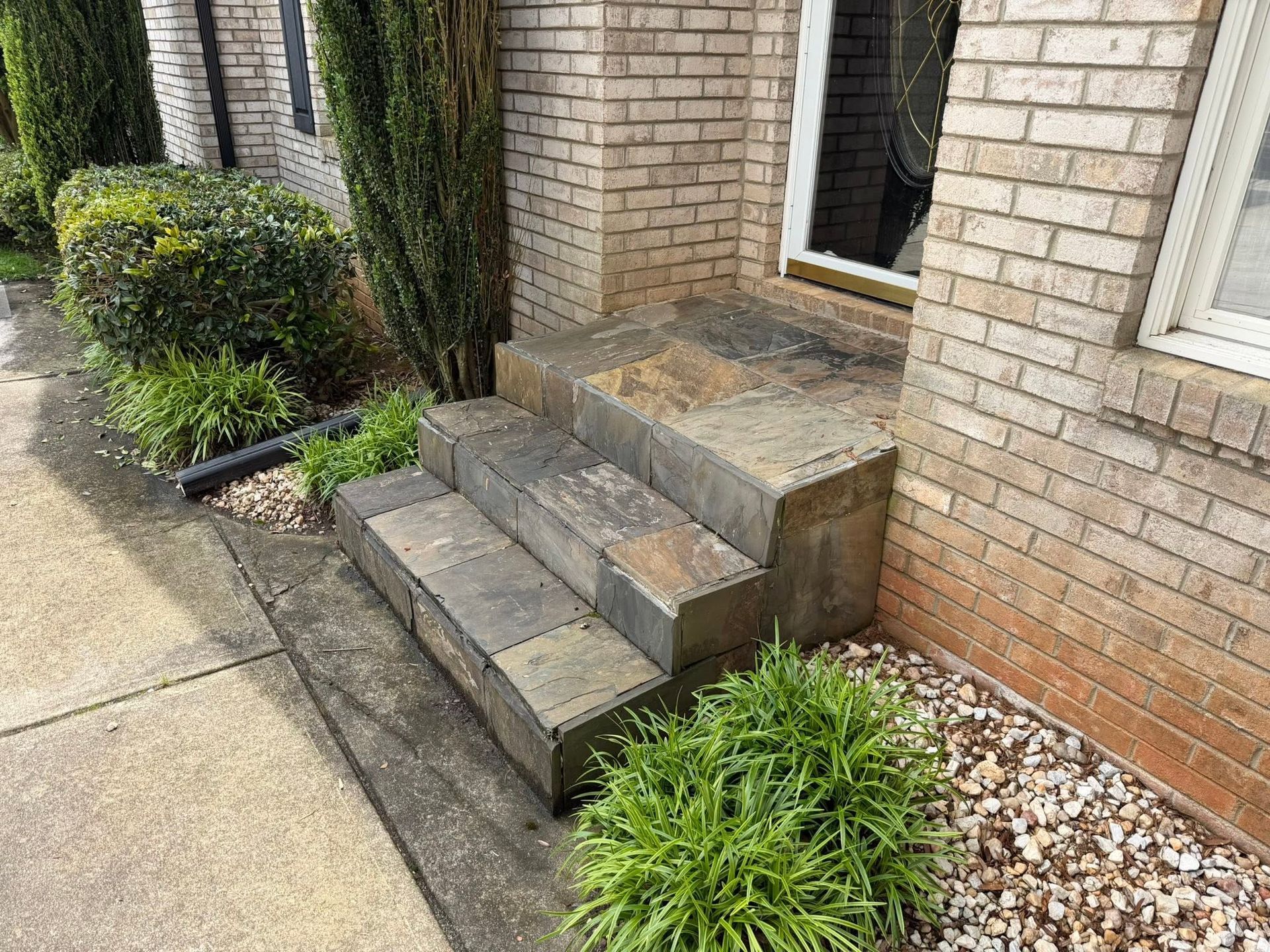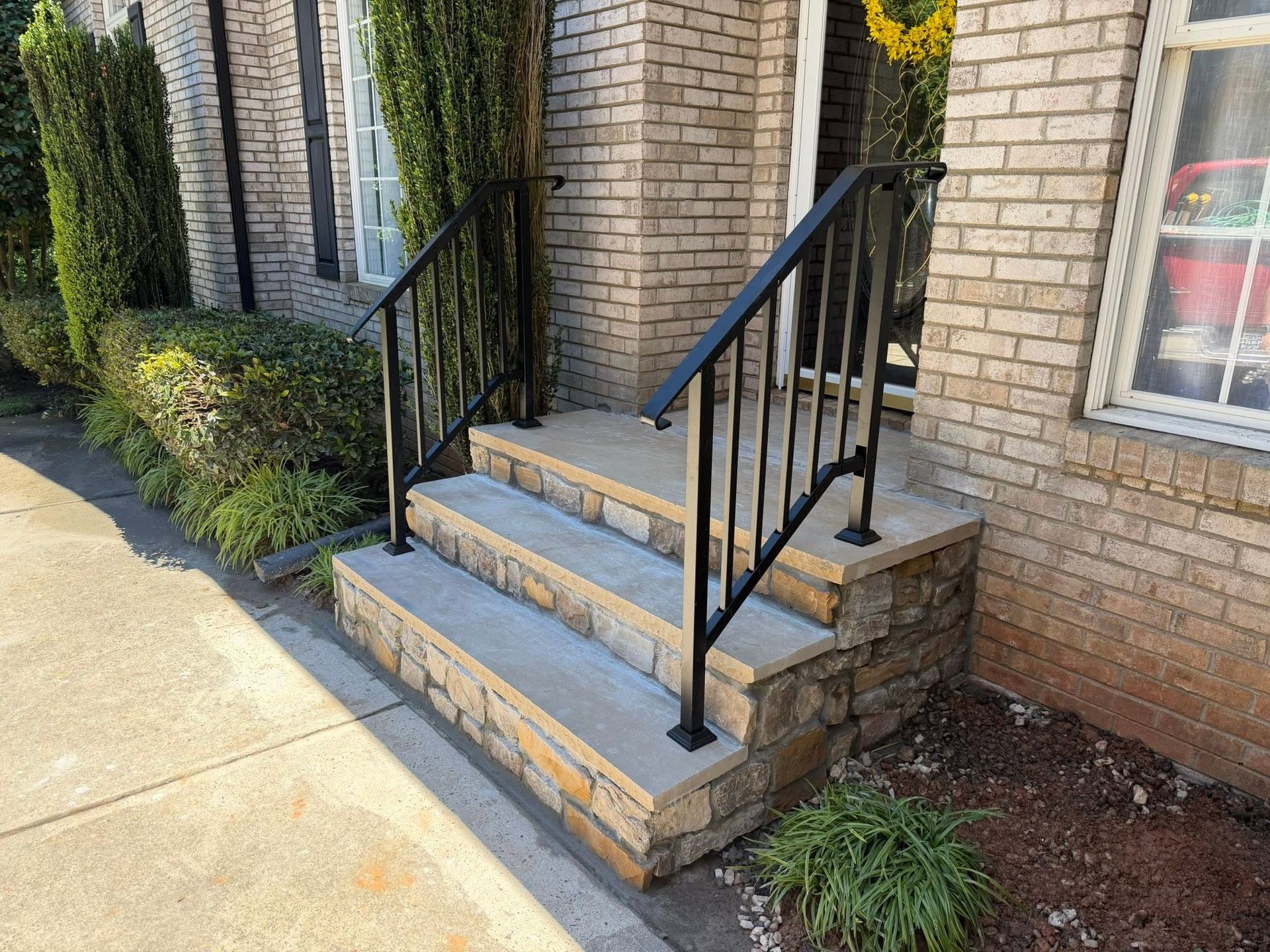
Surfaces That Handle Decades of Exposure
Concrete Services in Statesville for properties requiring durable slabs, walkways, and outdoor surfaces built to perform long-term
North Carolina's clay soil expands when wet and contracts during dry periods, creating movement that cracks poorly installed concrete within a few seasons. Cornerstone Home & Hardscapes pours concrete for patios, walkways, slabs, and outdoor surfaces throughout Statesville using preparation methods that account for soil conditions and weather cycles common to the region. Proper concrete work involves removing unstable topsoil, establishing a compacted aggregate base that drains and resists shifting, installing reinforcement that controls where cracks form, and finishing the surface to shed water while providing traction.
The difference between concrete that lasts and concrete that fails early comes down to base preparation and control joint placement. A four-inch gravel base under most slabs provides drainage and a stable platform that won't settle unevenly, while control joints cut or tooled into the surface at intervals create intentional weak points where cracks occur in straight lines rather than wandering randomly across the slab. Wire mesh or rebar reinforcement holds crack edges together even after concrete develops hairline separations from temperature changes.
Request a free estimate to review site conditions and determine what preparation your project requires for long-term durability.
Concrete installation begins with evaluating subgrade soil—soft spots get excavated and replaced with compacted fill, organic material gets removed entirely, and the base gets graded to direct water away from structures. Forms define edges and establish elevation, with stakes driven deep enough to resist concrete pressure during the pour. The concrete mix itself matters: too much water weakens the final strength, while proper water-cement ratio produces dense, durable material that resists freeze-thaw damage and surface scaling.
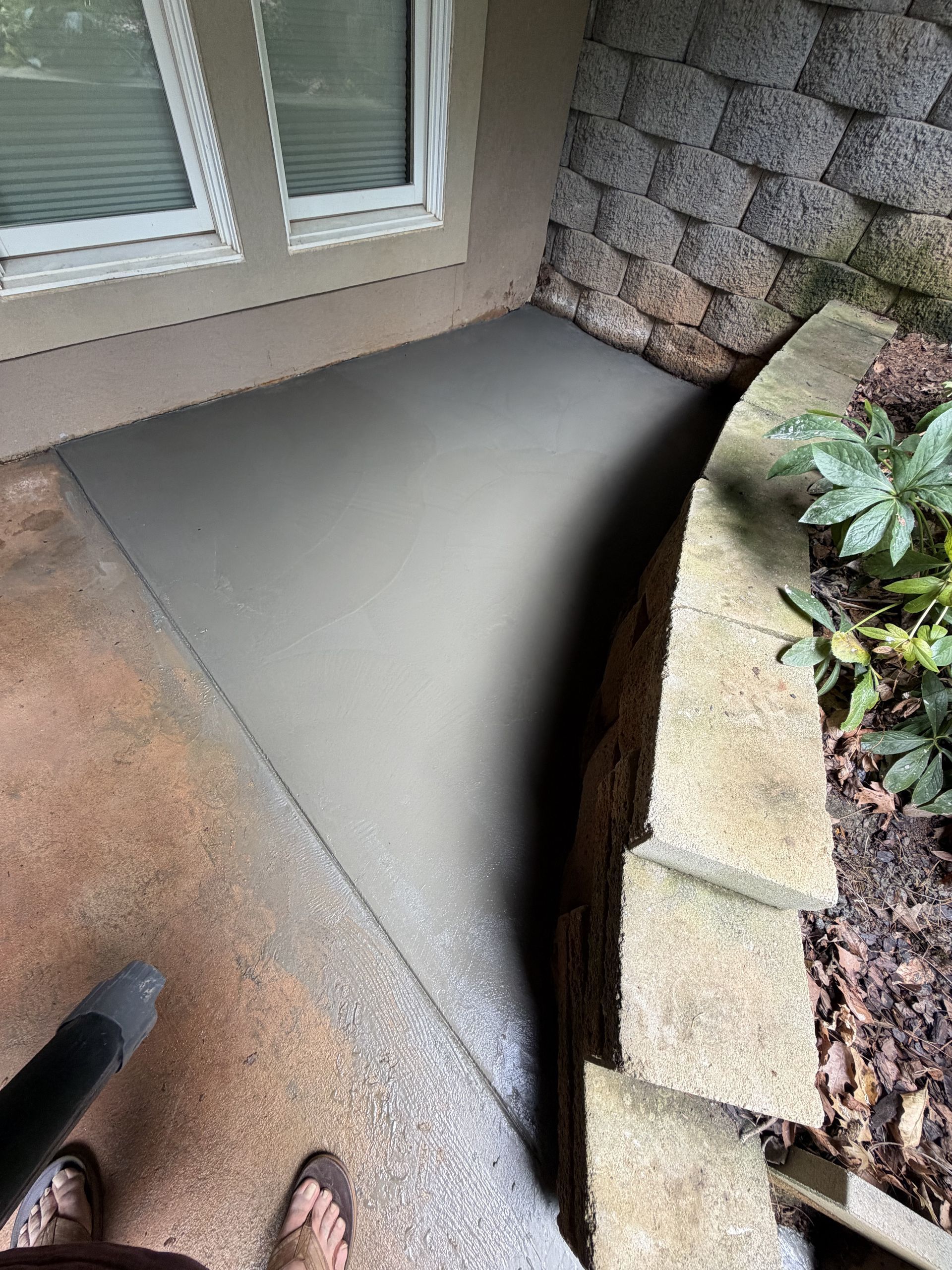
After curing, you'll notice a surface that remains level without settling into low spots where water would pool, clean edges where concrete meets soil or adjacent surfaces, and control joints that have directed any cracking into planned locations rather than allowing random fractures across high-visibility areas. Walkways provide firm, slip-resistant paths that drain quickly after rain, and patio slabs create stable foundations for outdoor furniture and grills. The gray color will lighten slightly as the surface weathers, and minor hairline cracks may appear at control joints, but properly installed concrete maintains structural integrity and functionality for decades.
Residential concrete projects range from small stoops and sidewalk sections to large patio slabs and driveway approaches, while commercial work includes loading areas, equipment pads, and accessible walkways that must meet specific slope and finish requirements. The experienced installation team at Cornerstone Home & Hardscapes adjusts techniques based on project scope and performance expectations, with full insurance coverage on all work.
What Property Owners Ask About Concrete
Customers considering concrete installation want to understand how preparation affects performance and what to expect as the surface ages.
What causes new concrete to crack within the first year after installation?
Most early cracking results from inadequate base compaction that allows settling, insufficient control joints that force cracks to form randomly, or pouring during temperature extremes that cause rapid drying and internal stress before the concrete fully cures.
How thick does a concrete slab need to be for a residential patio in Statesville?
Four inches works for most patio applications where only foot traffic and furniture occur, while areas that might see vehicle traffic or heavy equipment require six inches minimum with heavier reinforcement to distribute loads.
When should concrete include wire mesh versus rebar reinforcement?
Wire mesh controls surface cracking in slabs four inches thick or less, while rebar becomes necessary for thicker pours, slabs with heavy loads, or situations where the concrete bridges soft spots or spans between stable points.
What's the difference between brushed, troweled, and stamped concrete finishes?
Brushed finishes drag stiff bristles across wet concrete to create texture and traction, troweled surfaces are smoothed with steel blades for a denser finish with less grip, and stamped concrete uses pattern mats pressed into the surface before it hardens to imitate stone or brick textures.
How long does concrete need to cure before you can walk on it or place furniture?
Light foot traffic is generally safe after twenty-four to forty-eight hours depending on temperature and humidity, but concrete continues gaining strength for twenty-eight days and shouldn't bear heavy loads or experience freeze exposure during the first week after pouring.
Cornerstone Home & Hardscapes handles concrete installation for residential homes and commercial properties, with workmanship backed by industry experience and attention to the preparation steps that determine whether slabs perform as intended. The fully insured team provides free estimates that address site-specific challenges and recommend appropriate thickness, reinforcement, and finishing for your application.